Seasonality, backwards
Everyone publishes "when to visit". You already know when.
A honeymoon date is set by a venue, a family diary and somebody’s annual leave. The useful question is not when to go — it is what your month is good for, and what to do if the answer is "not much".
Four answers
Find the one that matches your date
The whole of African seasonality reduces to four situations. Yours is one of them.
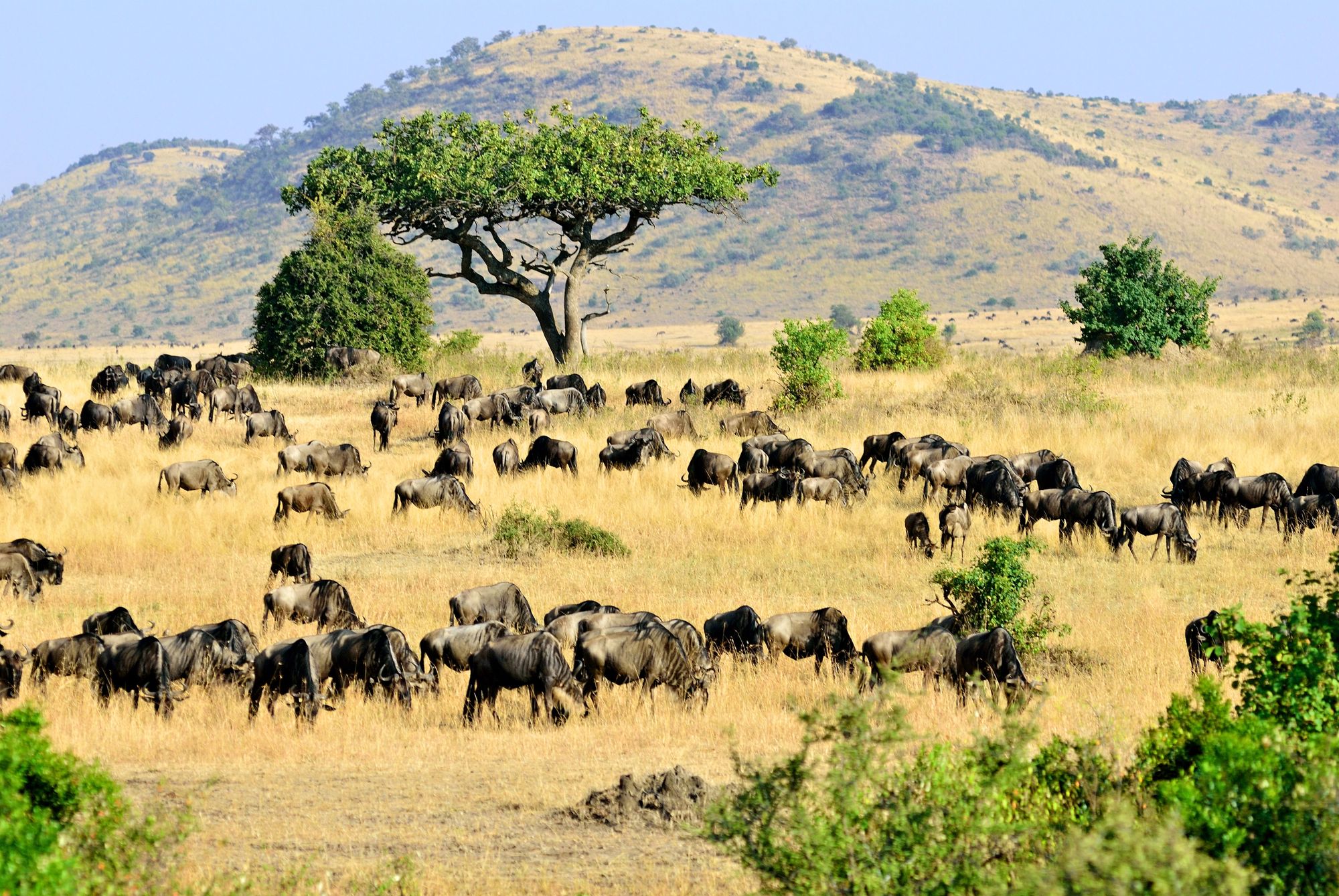
June to October
The dry season everywhere. Peak game, peak prices, and you should already be booking. September is the month we would pick.
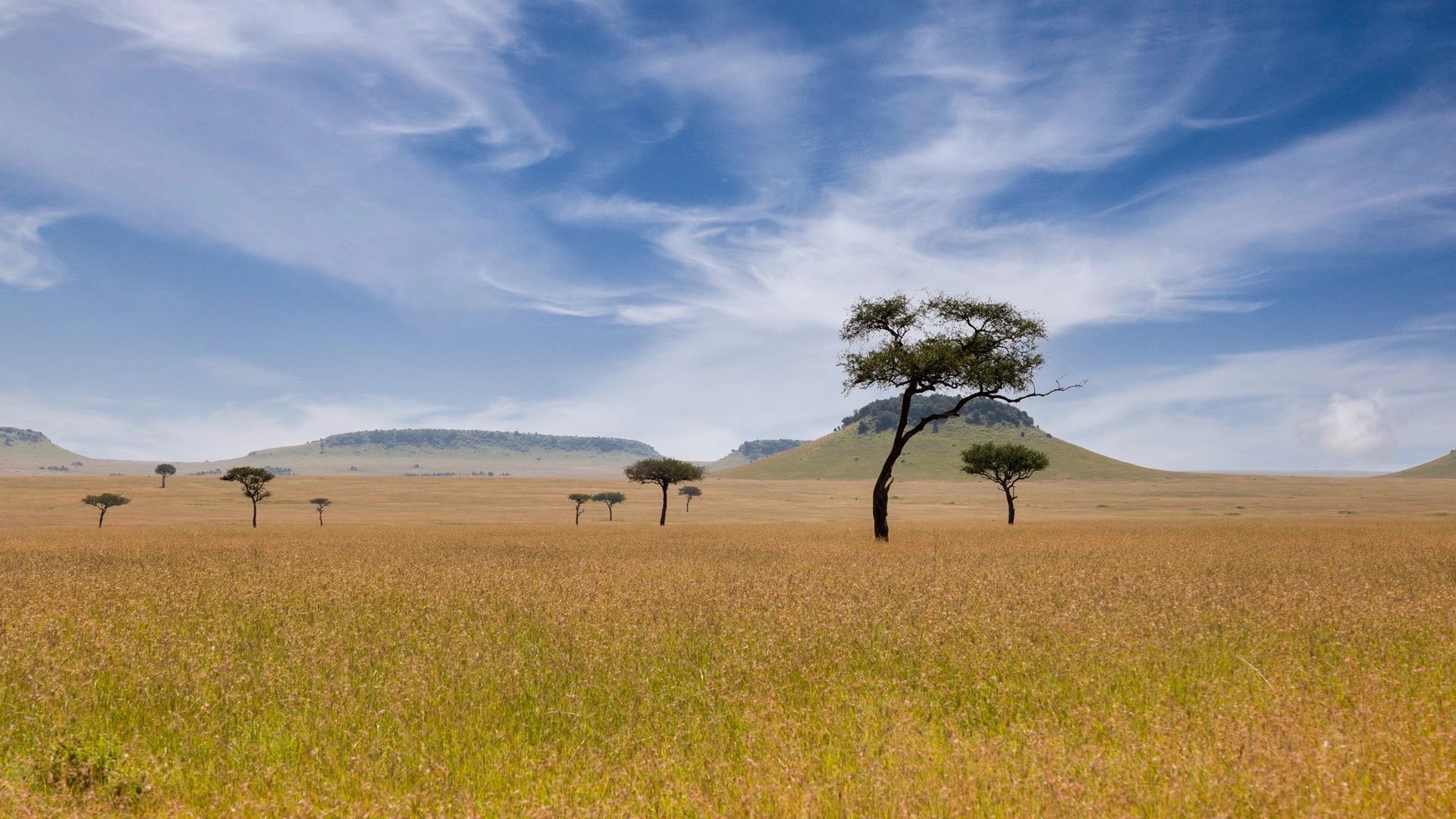
The dry months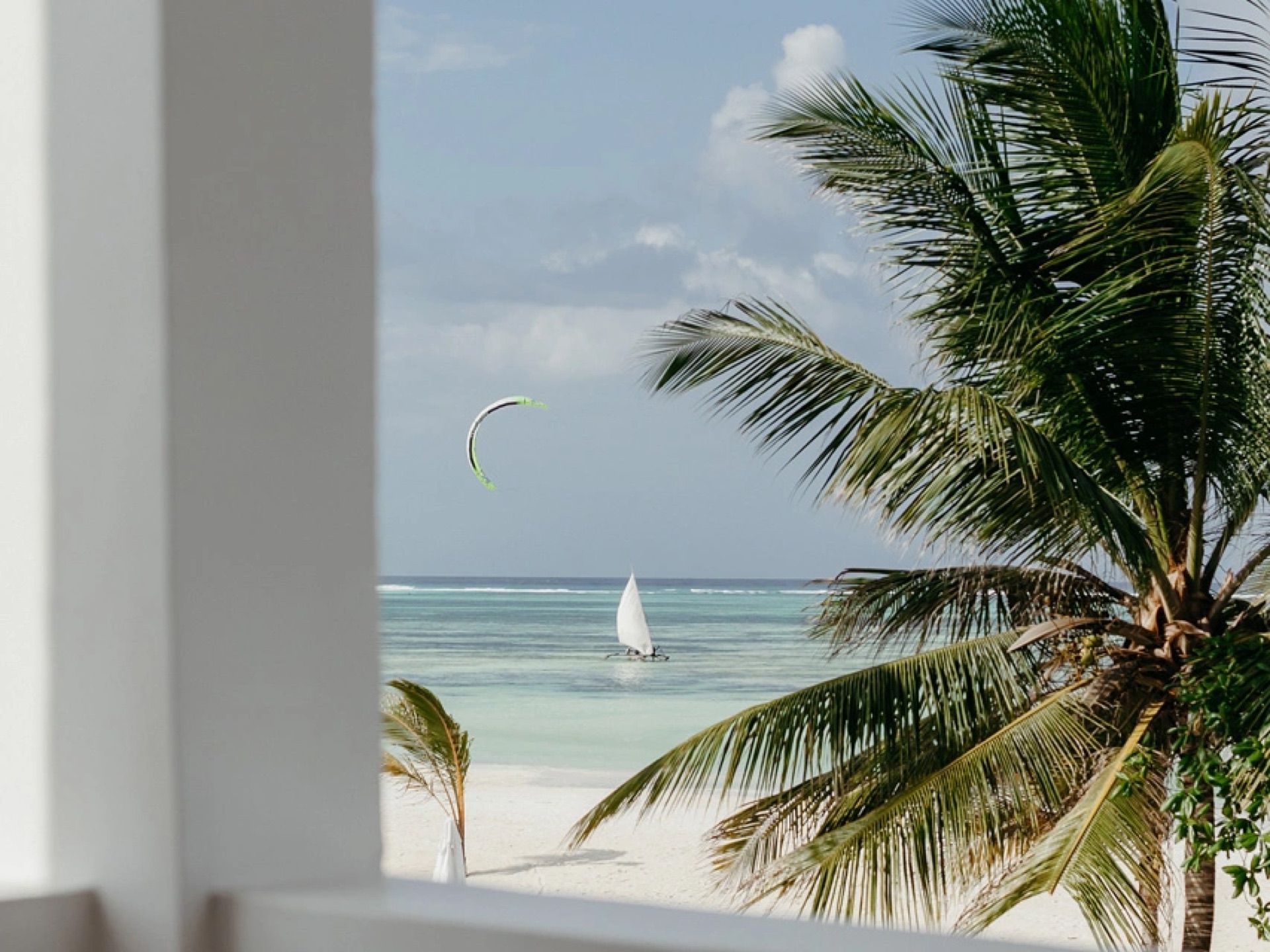
December to March
The short dry season. Calving in the southern Serengeti, the best coastal weather of the year, and fewer people than July.
What these months give you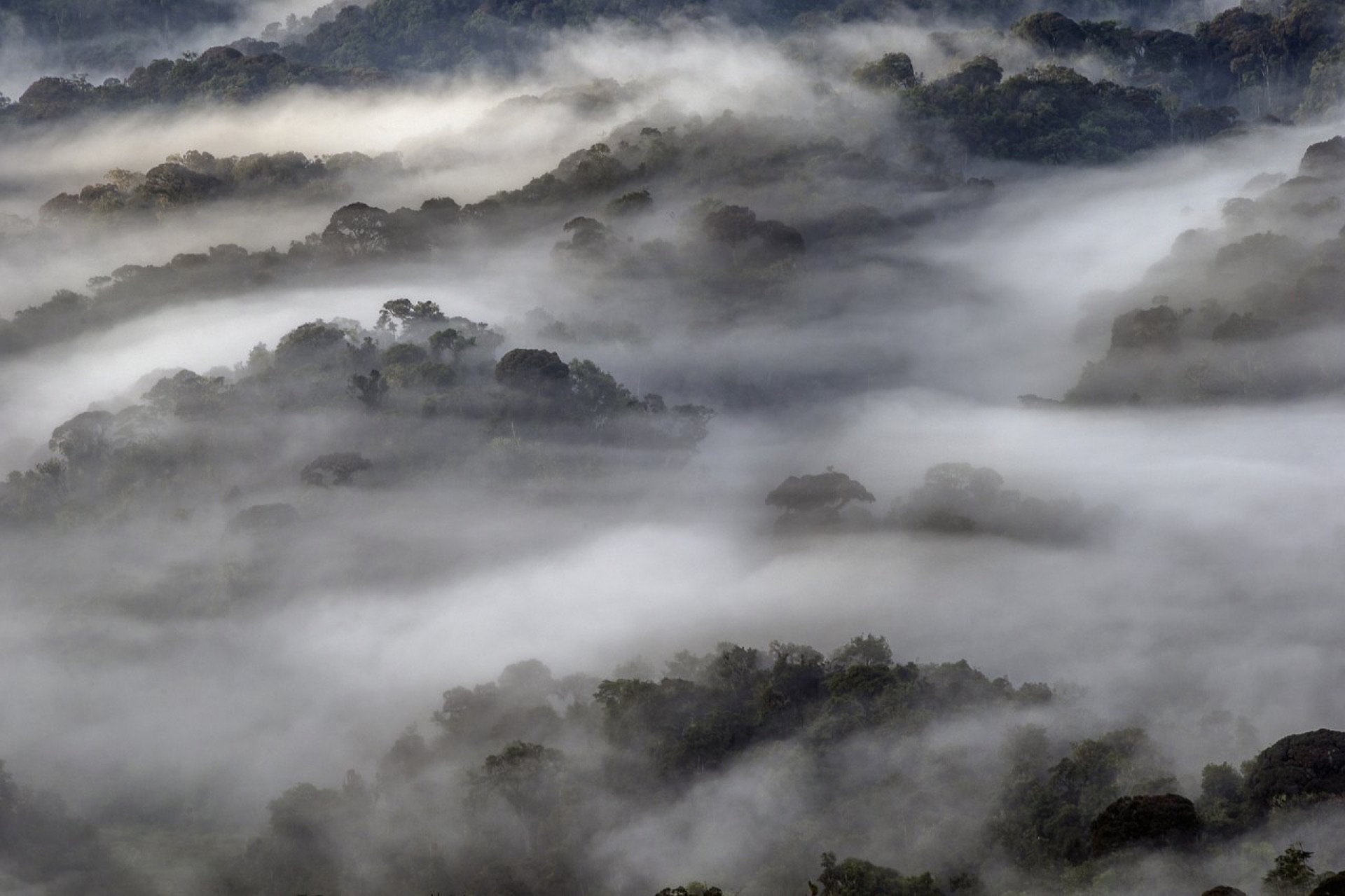
April or May
The long rains. Three honest answers, one of which is Rwanda and one of which is to move the honeymoon.
What to do about it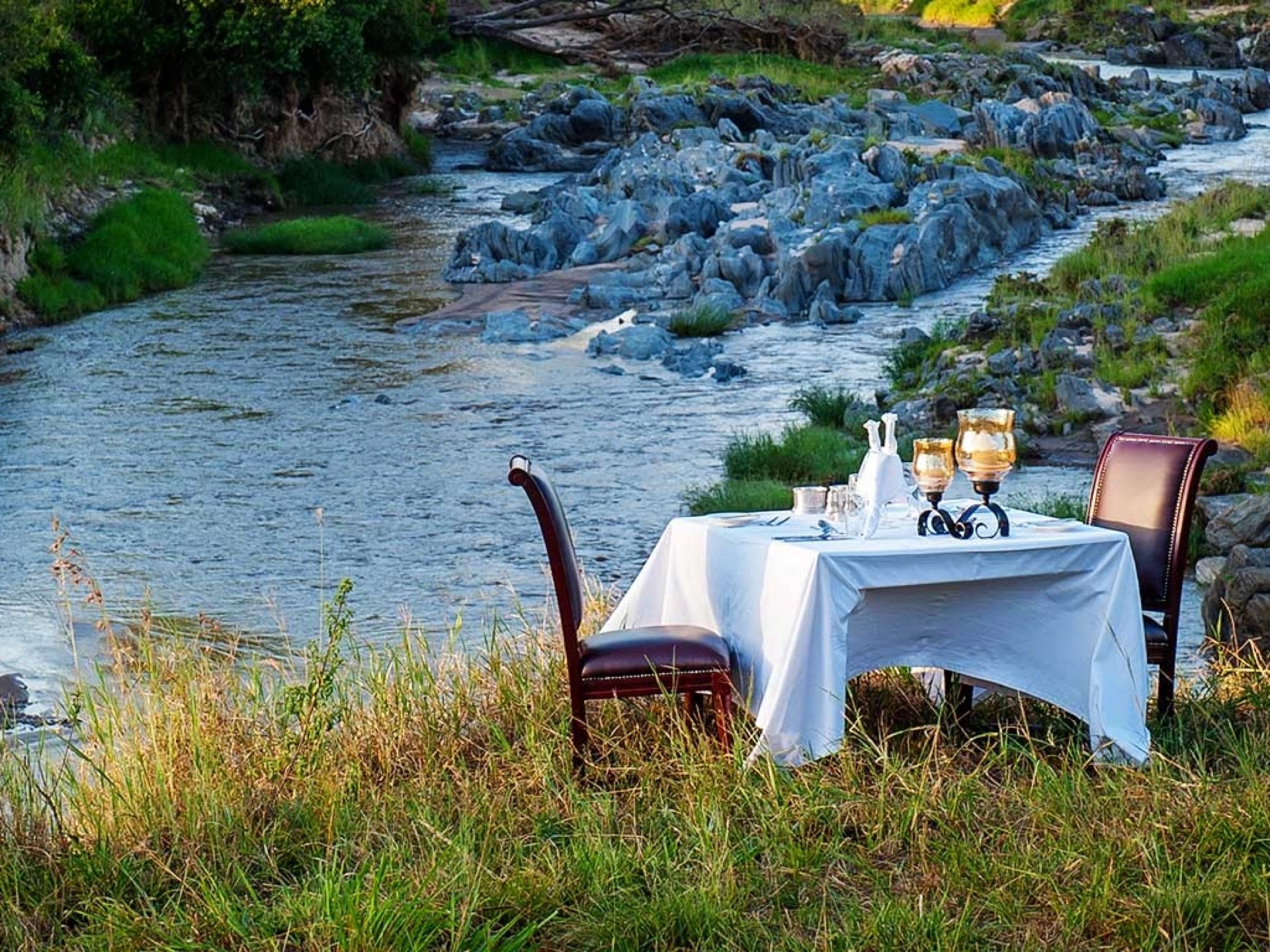
November
Short rains: brief storms, clear evenings, rates well below peak and hardly anybody there. Unpredictable, and often wonderful.
Green season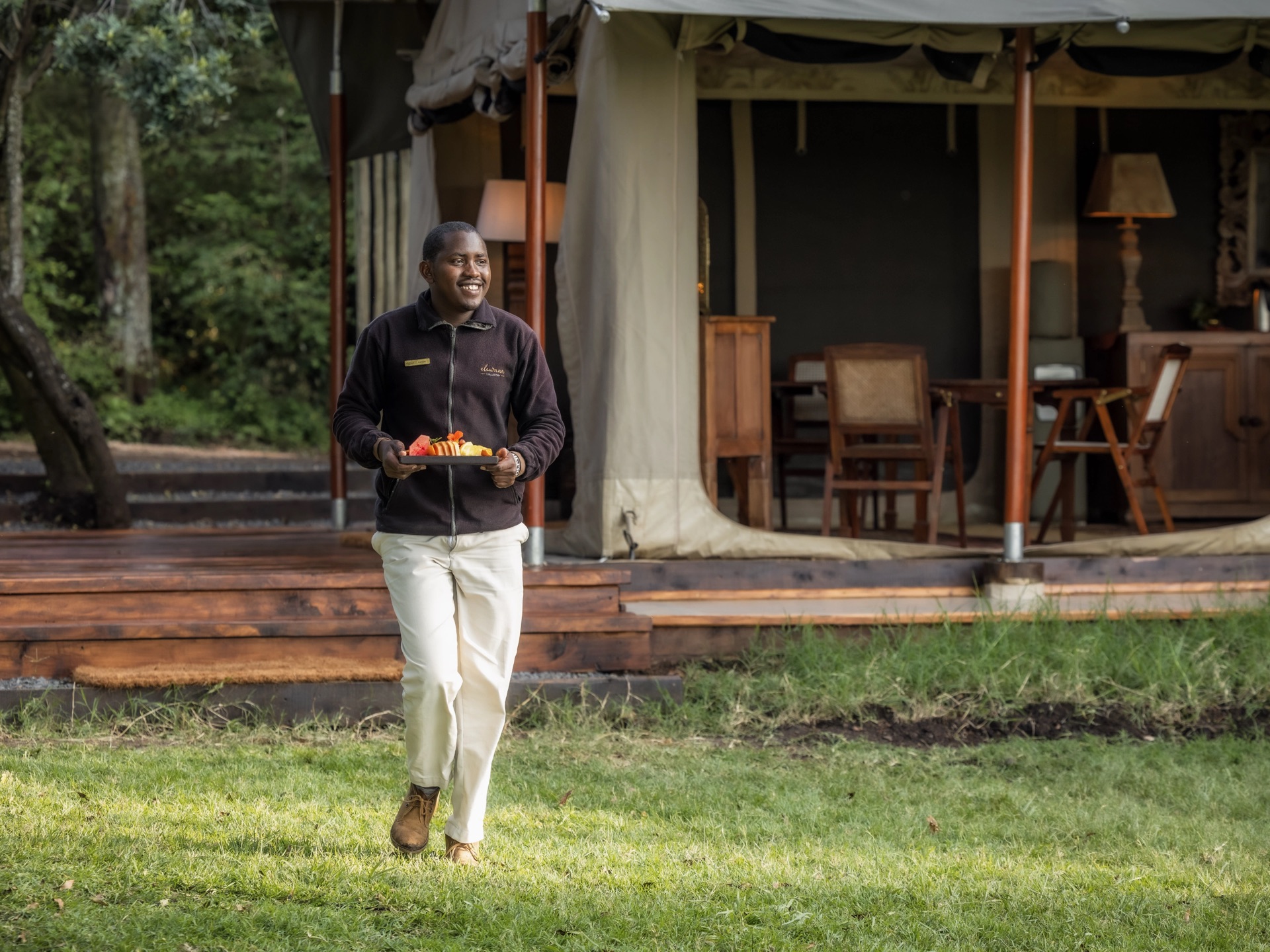
The price curve
The same camp can differ by forty per cent between August and May. Where your month sits, and what that buys or costs you.
Seasonal prices
The whole calendar
All twelve months, each with what it rules in across six countries and both coasts.
Month by monthThe one that matters
If your date falls in April or May
It is the long rains across East Africa, and no amount of positive framing changes that. Rain most afternoons, tall grass, some camps closed and some airstrips awkward.
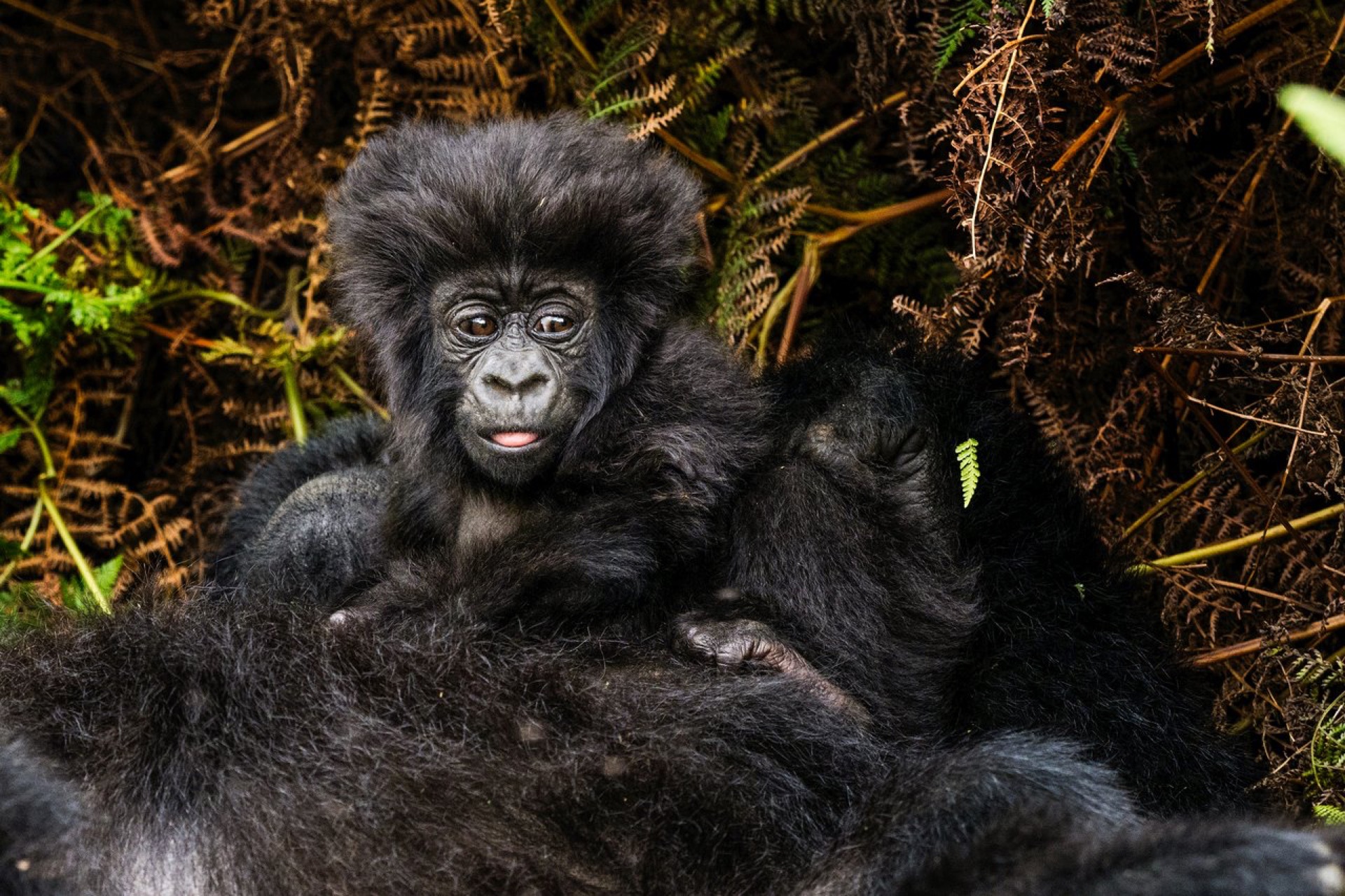
What we would actually say on the phone: go to Rwanda or Uganda, where the gorillas are there every month of the year and rain is an inconvenience rather than a wash-out. Or go anyway and take the green season on its own terms — thirty to forty per cent cheaper, nearly empty, and spectacular in a way the dry season is not. Or move it, which more couples do than admit to it.
- Rwanda and Uganda trek year-round
- Green-season rates are 30–40% below peak
- Some camps close entirely in April and May
- Moving the honeymoon by two months is a legitimate answer
Free download
The Honeymoon Month Guide
All twelve months, with what each one rules in and rules out — and three honest answers for couples whose date lands in the rains.
- Why the month is a constraint, not a choice
- January to March: the short dry season
- April and May: the long rains, and three ways to answer them
- June to October: the dry season everywhere
- November: the short rains, and the best value of the year
- December: excellent, and heavily booked
- The seasonal price curve, month by month
- Booking windows by month
- A worksheet for your date
No cost, no obligation. We ask for an email so we can send it and, if you want it, follow up once.
Before you ask
Questions about timing
Is there a bad month for an African honeymoon?
April and May are the hardest across East Africa, and we would rather say so. Everything else has a good answer somewhere on the continent.
Even April and May have three: Rwanda or Uganda, green-season value, or moving the dates.
What is the single best month?
September, if you have the choice. Peak dry-season game, the migration still in the Masai Mara, slightly fewer people than August, and good weather on the coast.
It is also the month that books out earliest, which tells you the market agrees.
How much cheaper is the green season really?
Thirty to forty per cent at the same camp is typical, and at some it is more. Minimum-stay requirements relax, upgrades become likely, and the camps are quiet enough that the staff have time for you.
What you trade is certainty about the weather and, in the wettest months, some camps being closed.
How far ahead should I book?
For July to October — the migration months in the Masai Mara — six to twelve months is normal, and the best small camps sell out first. Christmas and New Year book up just as early.
For the shoulder months, three to four months is usually comfortable. Inside eight weeks we can still put a very good trip together, but you are choosing from what is left rather than from everything.
Who actually arranges my safari?
This site is a planning guide. When you send an enquiry it goes to Nomad Africa, our partner travel agency in Kenya, who prepare your itinerary and quote and handle the booking, the payments and you on the ground.
You deal with one team from the first email to the airport transfer home.
Start here
Tell us the month and we will tell you where
The month does most of the narrowing on its own. Add how many nights you have and a per-person-per-night figure and the shortlist is two or three places.
If there is a better fortnight than the one you named, the first reply will say so.
- Destinations genuinely at their best on your dates
- An honest word if a different fortnight would serve you better
- Green-season pricing shown if it applies
- No deposit to see a plan, and no obligation at any point
Who answers
Nomad Africa, our partner travel agency in Nairobi, builds and prices every itinerary we send. You deal with one team, on the ground, for the whole trip.
Get your tailored itinerary and quote
Our Africa specialist replies within 24 hours with a costed plan built around your dates.
More from our Africa guides
Specialist guides across our Africa network
Each of these is a focused guide we publish. Same Africa specialist behind every enquiry.